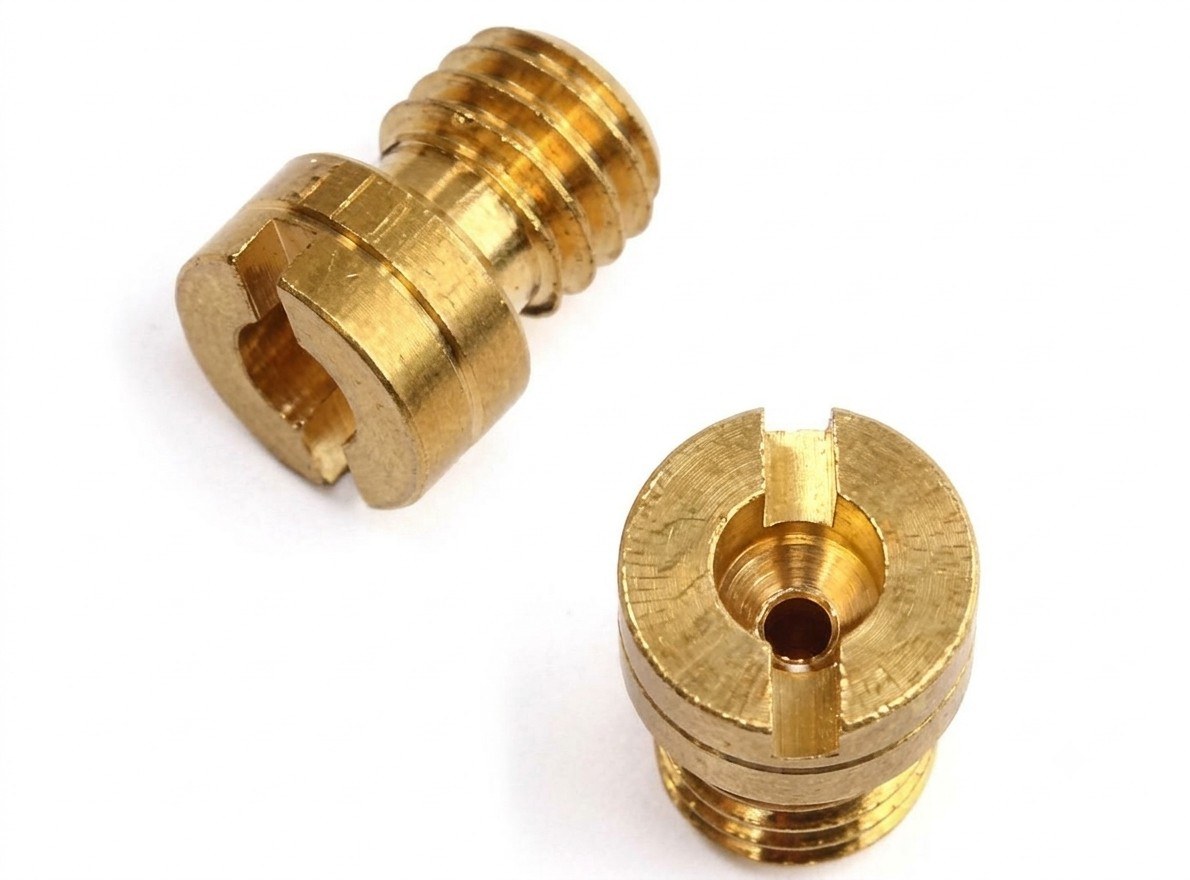
Brass Carburetor Parts
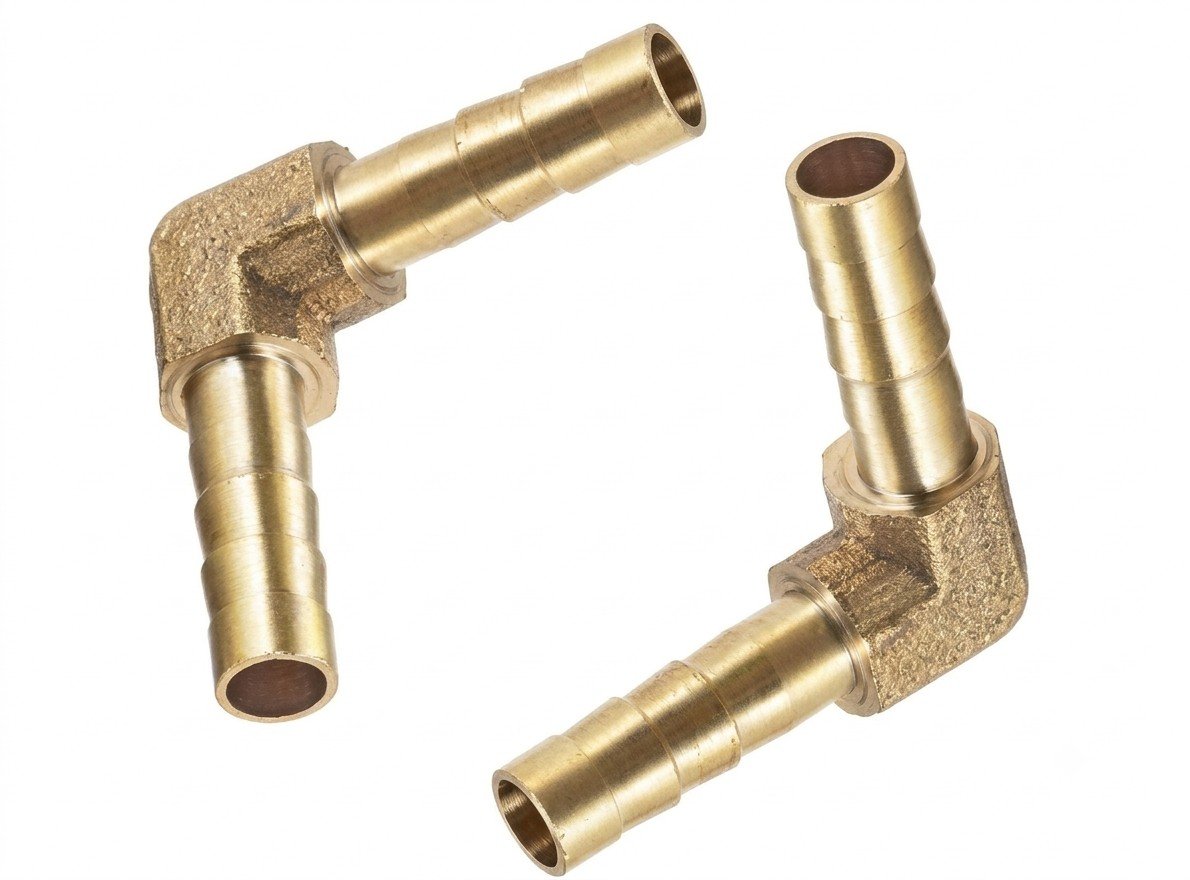
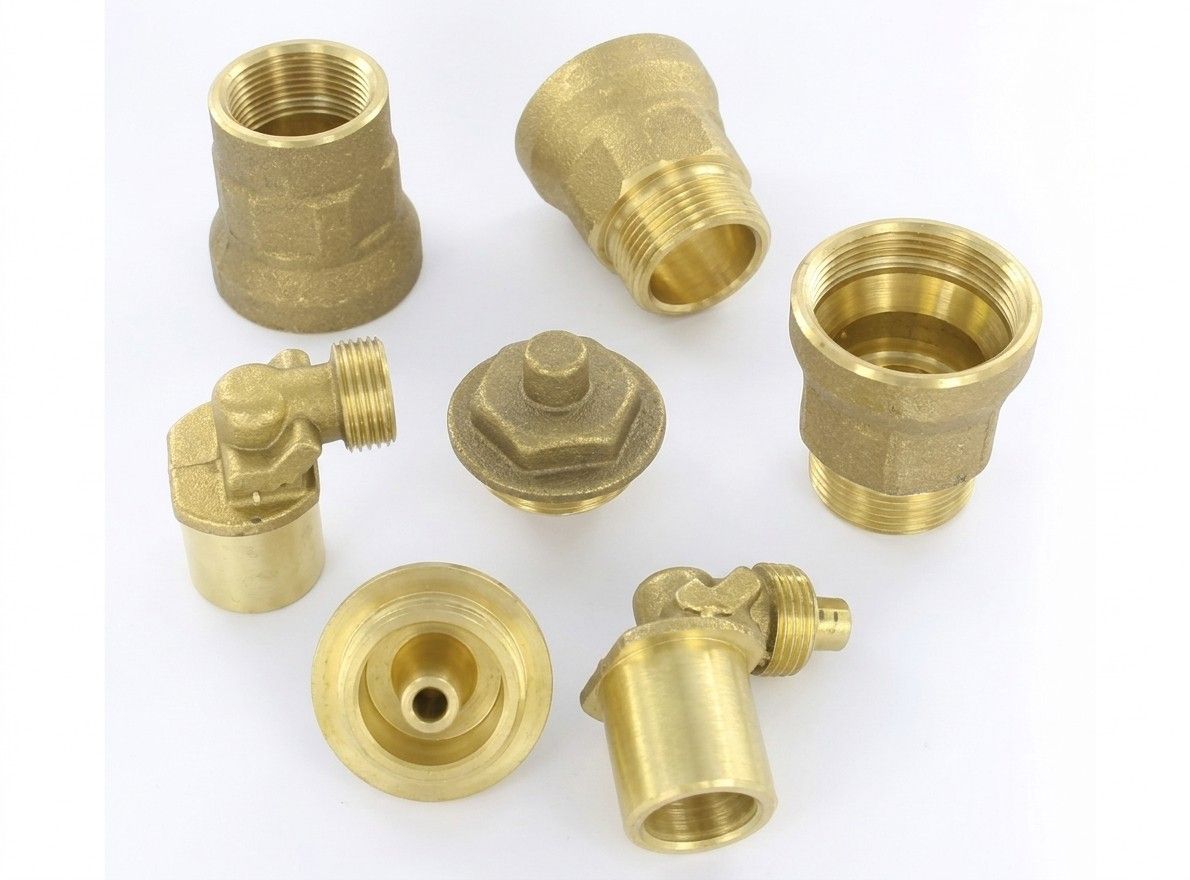
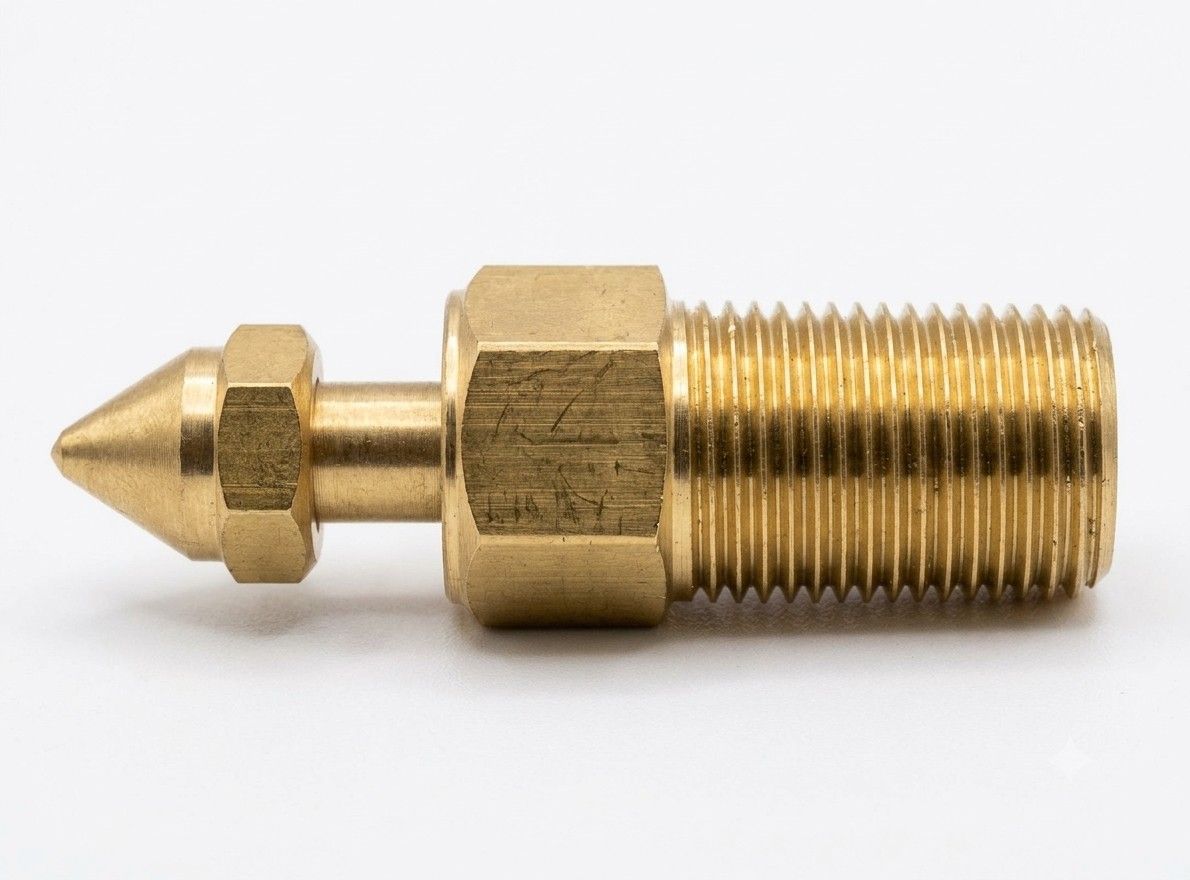
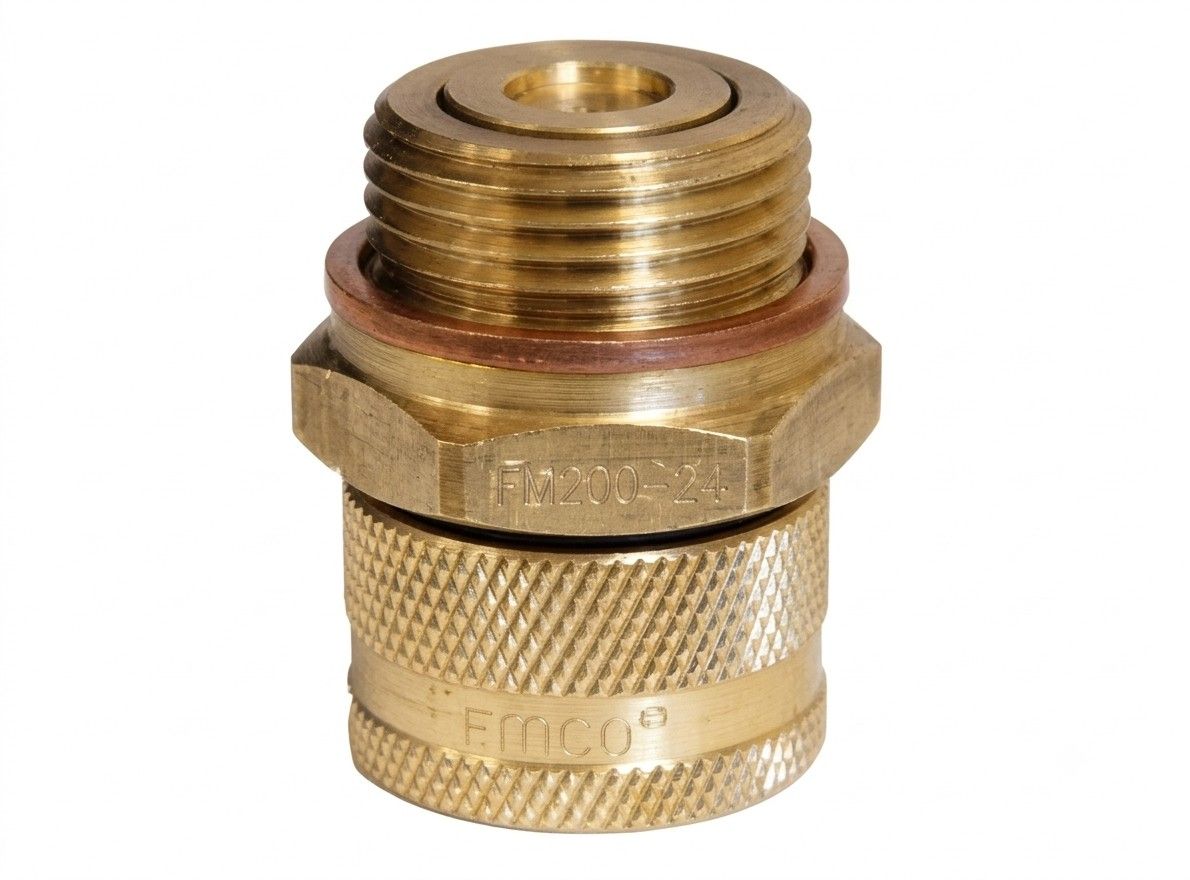
Absolute Engineering manufactures precision brass carburetor parts for fuel metering, air-fuel delivery, and carburetor assemblies used in automotive, motorcycle, small-engine, and agricultural equipment. Components include jets, nozzles, bushings, fuel fittings, and custom-machined parts.
Produced from copper-zinc brass alloys, these components support accurate machining of fine passages, threads, and intricate profiles. Custom dimensions and bore configurations are available according to approved drawings, with material and fuel compatibility considered for the intended application.
Applications of Brass Carburetor Parts
Automotive Carburetors
Used in selected jets, needle components, fuel inlets, and metering fittings for compatible carburetor systems.
Motorcycle Engines
Applied in carburetor assemblies for compatible two-wheelers and older engine designs.
Small Petrol Engines
Used in carbureted lawn equipment, portable generators, and other small-engine machinery.
Agricultural Equipment
Suitable for selected carburetor components used in small agricultural engines.
Outdoor Power Equipment
Applied in compatible chainsaws, brush cutters, and garden machinery with carbureted engines.
Marine Carbureted Engines
Used in suitable carburetor assemblies where the brass alloy meets fuel and environmental requirements.
Engine Repair and Maintenance
Supplied as replacement components for carburetor servicing, refurbishment, and maintenance work.
Specialized Engine Manufacturing
Produced according to customer drawings for specific fuel-metering and carburetor designs.
Features of Brass Carburetor Parts
Precision Machinability
Brass supports the machining of small jets, calibrated openings, threaded sections, and intricate component profiles.
Dimensional Consistency
Controlled dimensions help maintain accurate component fit and repeatable manufacturing quality.
Fine Passage Manufacturing
Suitable machining processes allow accurate drilling of small fuel and air passages.
Corrosion Resistance
Appropriate brass grades offer resistance to corrosion in suitable environments when compatible with the fuel and additives.
Controlled Surface Quality
Smooth, clean machined surfaces help maintain component geometry and specified fuel-flow characteristics.
Mechanical Stability
Suitable brass compositions provide appropriate mechanical performance for many small carburetor fittings and metering components.
Custom Component Geometry
Different bore sizes, thread forms, external profiles, and component lengths can be specified.
Replacement Compatibility
Components can be manufactured to match specified original-equipment dimensions and approved drawings.
Technical Specifications of Brass Carburetor Parts
| Parameter | Specification |
|---|---|
| Product Name | Brass Carburetor Parts |
| Component Types | Main Jets, Pilot Jets, Fuel Fittings, Bushings, Nozzles and Threaded Inserts |
| Base Material | Copper-Zinc Brass Alloy |
| Manufacturing Process | CNC Machining, Automatic Turning, Precision Drilling and Forming |
| Bore Configuration | Calibrated or Application-Specific Fuel and Air Passages |
| Thread Type | Metric, Unified or Manufacturer-Specific Thread Forms |
| Dimensional Tolerance | As Specified in the Approved Technical Drawing |
| Surface Condition | Smooth, Clean and Free from Unacceptable Burrs or Machining Defects |
| Fuel Compatibility | Must Be Verified for the Specified Fuel and Additives |
| Operating Conditions | Defined by Engine Design, Fuel System and Operating Temperature |
| Quality Inspection | Dimensional, Visual, Bore and Application-Specific Functional Checks |
| Customization | According to Original-Equipment Drawings or Component Requirements |
Key Specifications of Brass Carburetor Parts
| Parameter | Details |
|---|---|
| Product Category | Carburetor and Fuel-Metering Components |
| Material Grades | CuZn35, CuZn37 or Other Suitable Brass Alloys |
| Component Design | Jets, Nozzles, Needle Fittings, Bushings and Adapters |
| Overall Length | Determined by Carburetor Model and Component Function |
| External Diameter | Specified According to Mounting Bore or Threaded Connection |
| Internal Bore | Precisely Controlled According to the Intended Metering Function |
| Thread Specification | Selected to Match the Carburetor Body or Mating Component |
| Fuel Passage Geometry | Designed According to the Approved Component Drawing |
| Surface Quality | Controlled to Meet Dimensional and Functional Requirements |
| Manufacturing Tolerance | Application-Specific |
| Customization Options | Bore Diameter, Thread Size, Length, External Profile and Material Grade |
Exact bore dimensions and tolerances depend on the carburetor design and should be taken from approved engineering drawings or original-equipment specifications.
Standards for Brass Carburetor Parts
Brass carburetor parts are generally manufactured according to component drawings, material specifications, and applicable engine or fuel-system requirements. The relevant standards depend on the component design and its intended application.
Defines limits and fits for linear dimensions, where applicable to component interfaces.
Specifies general-purpose metric screw thread dimensions for threaded features.
Covers metric screw thread tolerances where applicable to the specified thread.
Applicable requirements for brass alloy composition and material properties.
Defines required bore sizes, thread dimensions, component profiles, and functional tolerances.
Applicable dimensional inspection, material verification, and fuel compatibility checks.
There is no single universal standard covering every brass carburetor component. Applicable requirements should be confirmed against the specific product drawing, engine design, and intended fuel.
Length and Size of Brass Carburetor Parts
Overall Length
- Customized according to the component's installation position and function.
- Specified to match the relevant carburetor assembly.
External Diameter
- Selected to fit the carburetor housing or mating connection.
- Threaded and non-threaded profiles can be specified.
Internal Bore Diameter
- Manufactured to specified dimensions for the required fuel or air passage.
- Controlled carefully in metering components.
Thread Size
- Available in standard or manufacturer-specific configurations.
- Matched to the carburetor body or mating component.
Component Profile
- Straight, stepped, tapered, slotted, or specially designed profiles.
- Selected according to the component's function and installation.
Tolerance Requirements
- Controlled according to the functional importance of each dimension.
- Specified through approved drawings or original-equipment references.
Special sizes can be manufactured according to approved drawings, samples, or original-equipment specifications. Bore dimensions are particularly important because small variations can affect fuel delivery and engine performance.
Material Used in Brass Carburetor Parts
Brass carburetor parts are produced from copper-zinc alloys selected for precision machining, dimensional stability, and suitability for the intended fuel system.
Available Brass Material Options
- CuZn35: A copper-zinc alloy suitable for selected precision-machined components.
- CuZn37: A commonly used brass alloy for general-purpose machined parts.
- Free-Machining Brass: Suitable grades may be selected for turning operations and the production of fine passages and threaded features.
- Special Brass Alloys: Alternative grades may be specified for particular machining, mechanical, or environmental requirements.
Material selection should account for fuel composition, additives, temperature, corrosion resistance, and component function. Some fuels and additives can affect brass alloys, so compatibility should be confirmed for the intended engine application.
Surface Finish Options for Brass Carburetor Parts
Natural Brass Finish
Retains the original golden-yellow appearance of the brass alloy without an additional decorative coating.
Precision-Machined Finish
Provides controlled surfaces and accurate geometry for functional carburetor components.
Polished Finish
Offers a smoother external appearance for selected exposed or decorative components.
Nickel-Plated Finish
Provides an additional surface coating where suitable for the component and its operating environment.
Tin-Plated Finish
May be specified for selected components where fuel compatibility and dimensional requirements permit.
Custom Surface Treatment
Other finishes may be considered according to engineering drawings and operating conditions.
Surface treatments must not obstruct calibrated fuel passages, alter critical dimensions, or introduce coatings that are incompatible with the fuel. Small metering holes and precision contact surfaces may require an uncoated, carefully controlled finish.