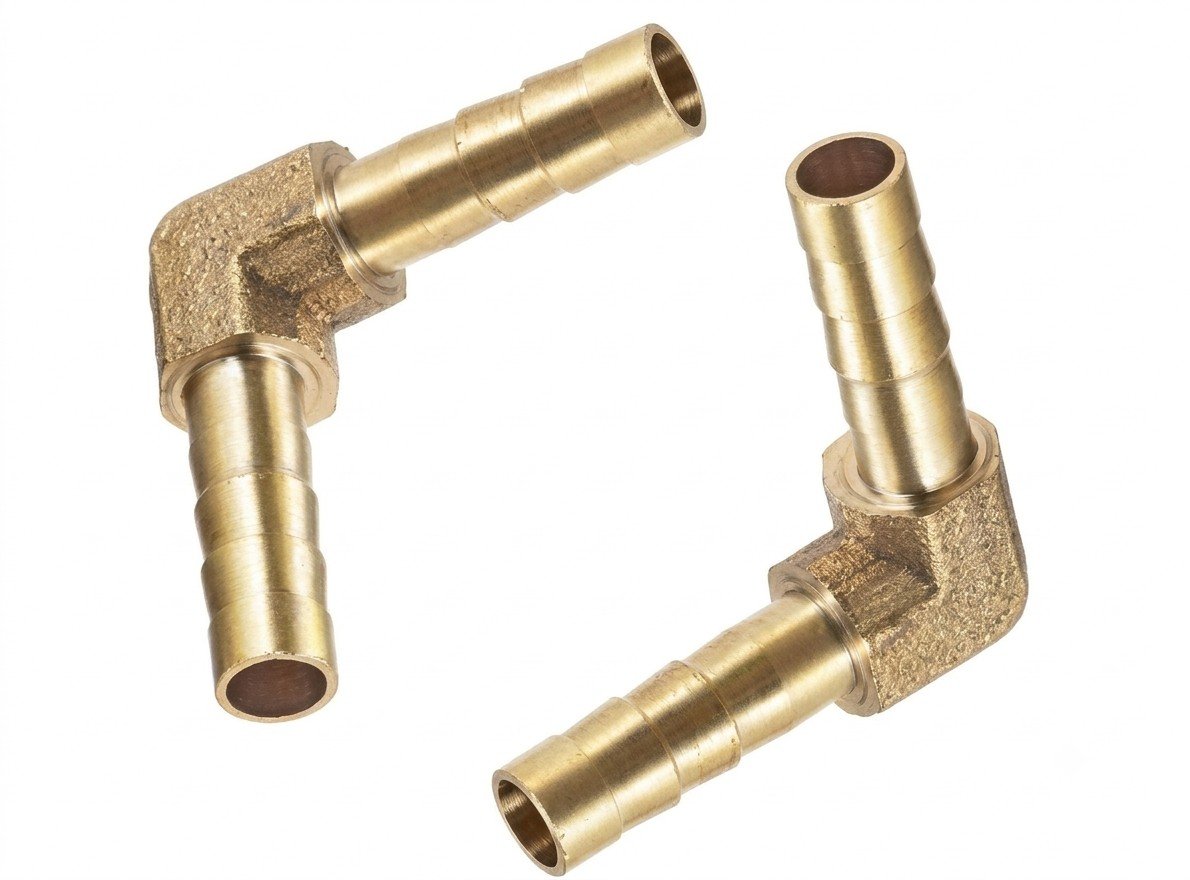
Brass Fuel Connectors
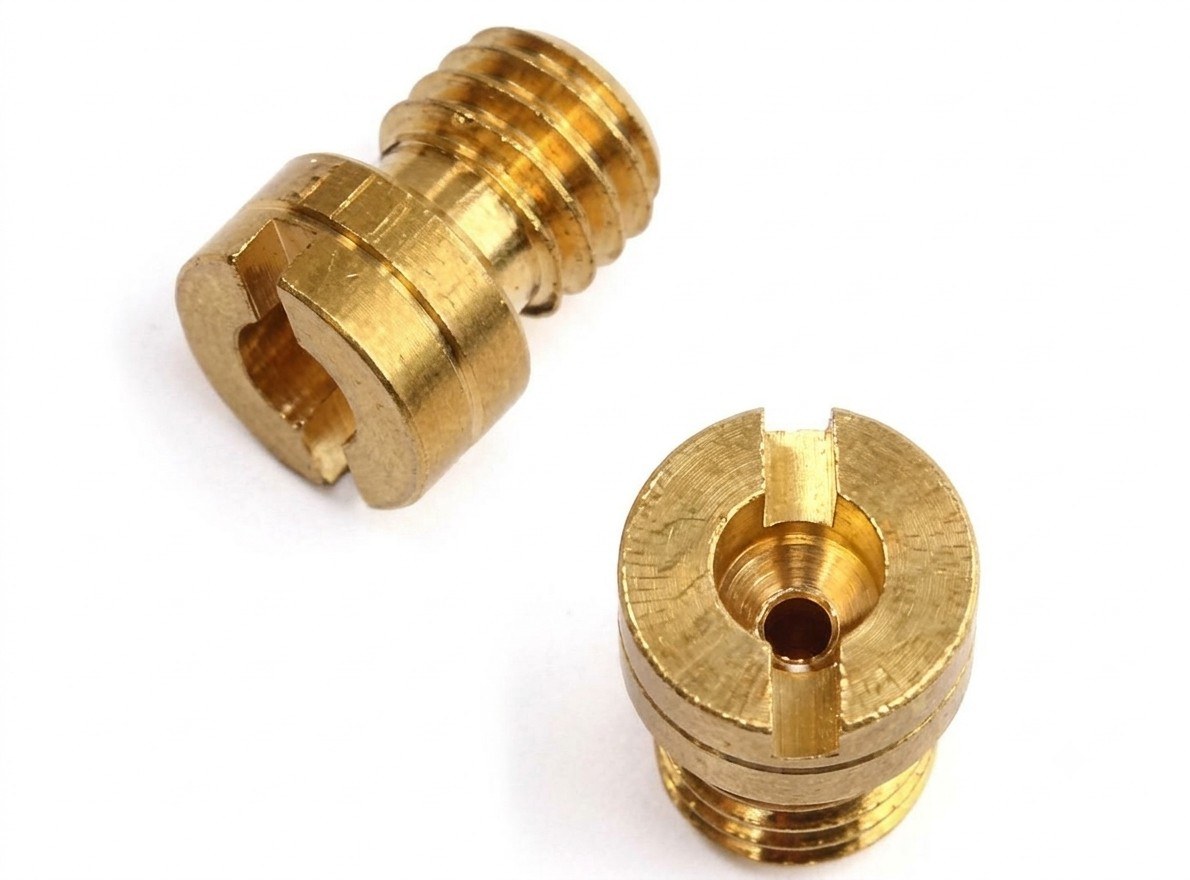
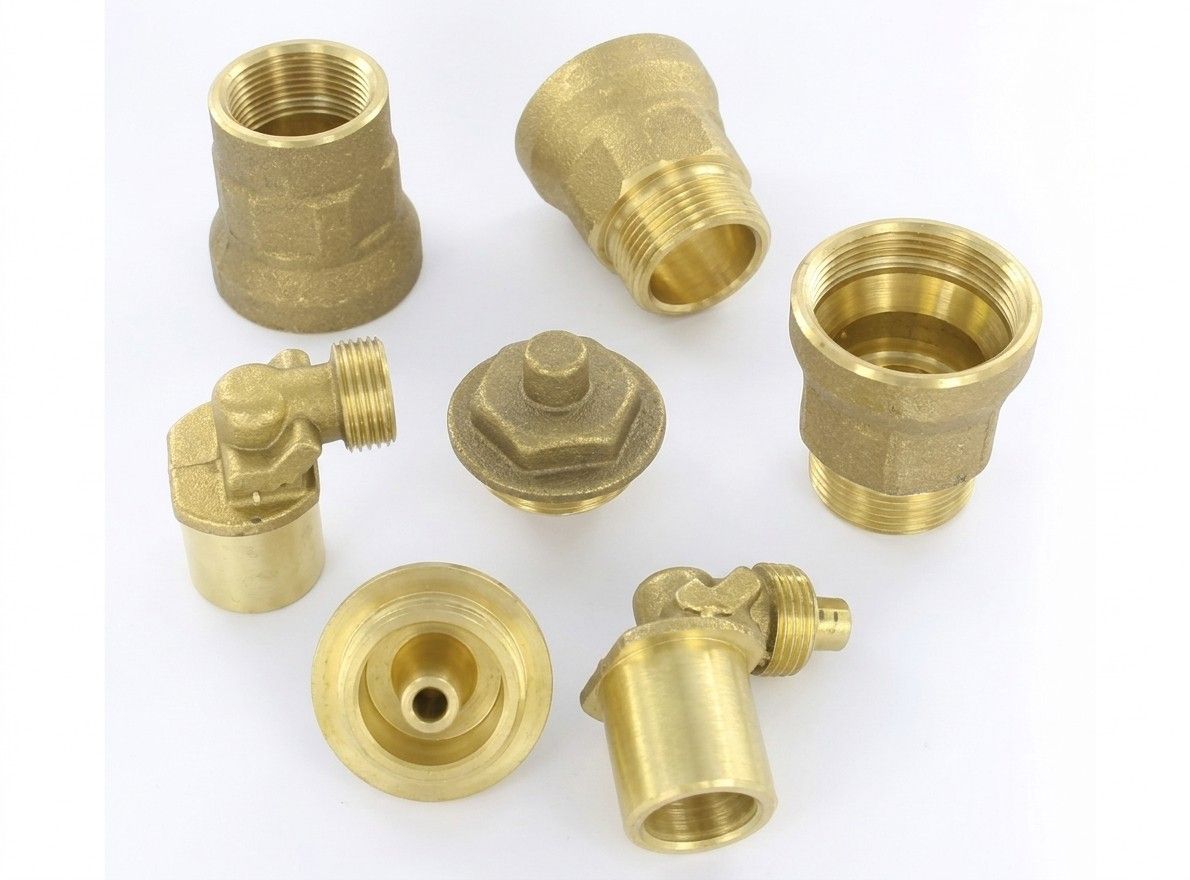
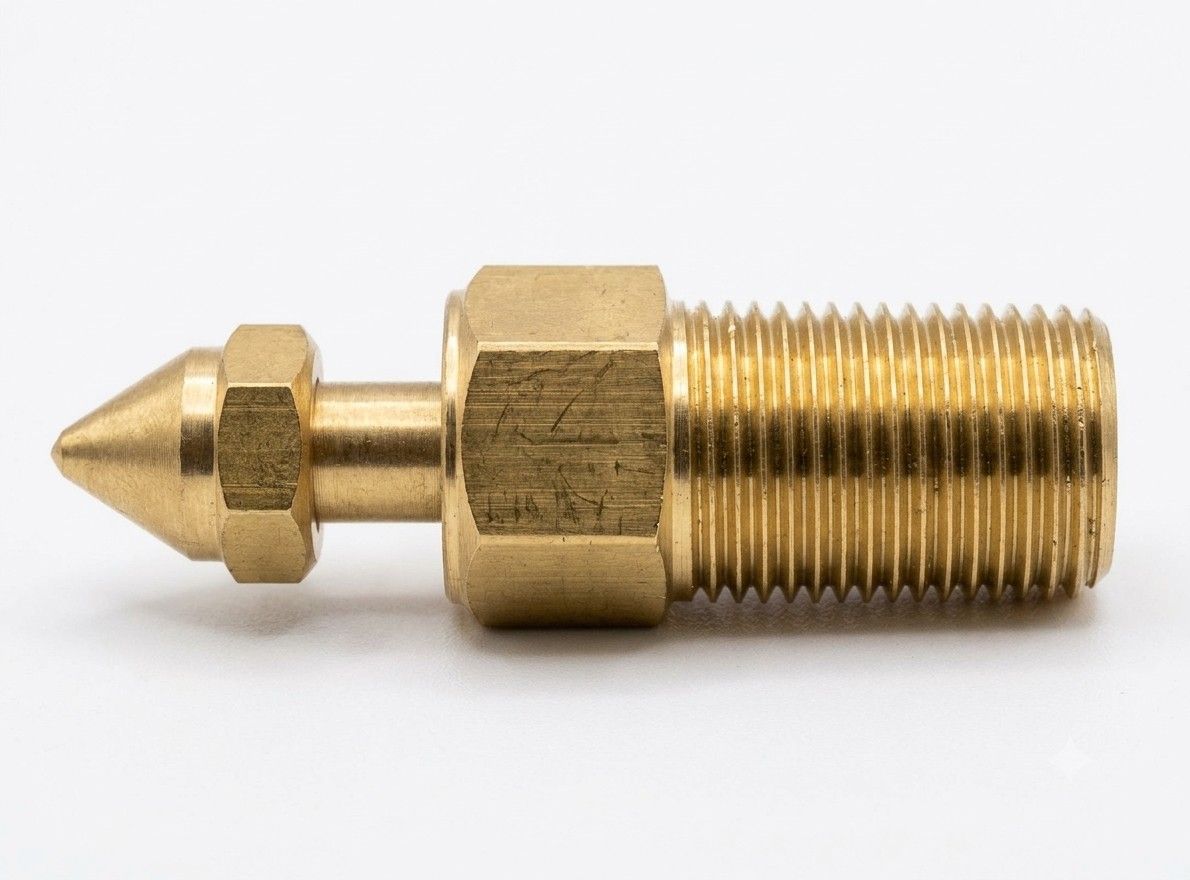
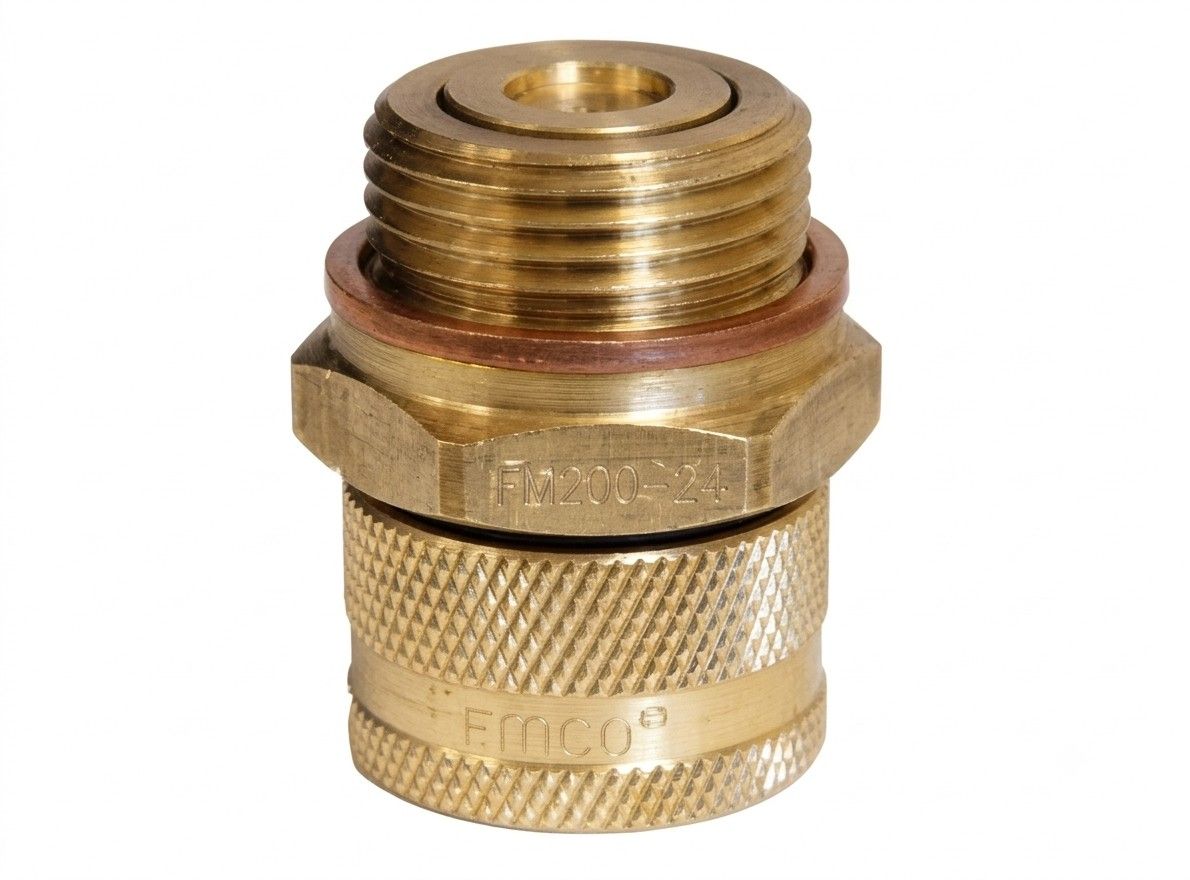
Absolute Engineering manufactures precision brass fuel connectors designed to join compatible fuel lines, connect fuel-system components, and provide dependable fluid pathways in selected automotive, industrial, agricultural, and generator applications. Available in different threaded, angled, union, and adapter-style configurations, these connectors are designed to meet specific connection and installation requirements.
Made from copper-zinc brass alloys, these connectors offer good machinability and corrosion resistance in suitable environments, with customizable threads, bore dimensions, and sealing interfaces. Fuel compatibility and operating limits should be verified for the intended application.
Applications of Brass Fuel Connectors
Automotive Fuel Systems
Used in selected fuel-line connections, adapters, and service fittings approved for the specific vehicle and fuel application.
Small Engine Equipment
Applied in compatible fuel delivery arrangements for generators, lawn equipment, and other small-engine machinery.
Industrial Machinery
Used in suitable fuel supply connections for burners, heating equipment, and industrial machinery.
Generator Sets
Suitable for compatible fuel piping and auxiliary fuel connections in generator installations.
Agricultural Machinery
Used in selected fuel-line arrangements for tractors and other agricultural equipment where material compatibility is confirmed.
Heating Systems
Applied in approved fuel connections for certain heating and combustion installations.
Fuel Transfer Equipment
Used in compatible transfer lines, adapters, and fluid-handling assemblies with defined operating requirements.
Custom Engineering Assemblies
Developed for specialized fuel connection requirements involving specific threads, ports, passages, and sealing arrangements.
Features of Brass Fuel Connectors
Precision Threading
Accurately machined threads support proper engagement with compatible ports, pipes, and mating fittings.
Machinable Brass Construction
Brass allows the production of detailed connector profiles, threaded sections, and internal fluid passages.
Versatile Sealing Interfaces
Connector designs can accommodate specified O-rings, gaskets, flare connections, or approved thread-sealing methods.
Corrosion Resistance
Suitable brass grades offer resistance to corrosion in compatible operating environments.
Compact Connection Design
Space-efficient profiles help integrate fuel-line connections into equipment with defined installation clearances.
Mechanical Stability
Properly specified brass connectors provide suitable mechanical performance for their intended connection conditions.
Multiple Connection Profiles
Straight, angled, male, female, union, and adapter configurations support different piping arrangements.
Custom Port Geometry
Thread sizes, bore diameters, connector lengths, and connection angles can be specified according to approved drawings.
Technical Specifications of Brass Fuel Connectors
| Parameter | Specification |
|---|---|
| Product Name | Brass Fuel Connectors |
| Product Type | Fuel-Line Fittings, Adapters, Unions and Connection Nipples |
| Base Material | Copper-Zinc Brass Alloy |
| Connection Type | Male, Female, Straight, Angled or Adapter Configuration |
| Thread Type | Metric, BSP, NPT or Other Specified Thread Systems |
| Flow Passage | Designed According to Required Fluid Flow |
| Sealing Method | Thread Seal, O-Ring, Gasket, Flare or Design-Specific Method |
| Manufacturing Process | CNC Machining, Automatic Turning, Forging or Forming |
| Pressure Rating | Established for the Specific Connector Design and Application |
| Temperature Range | Dependent on Alloy, Seal Material, Fuel and Operating Conditions |
| Dimensional Tolerance | As Specified in the Technical Drawing |
| Surface Finish | Natural Brass or Specified Protective Finish |
| Quality Inspection | Dimensional, Leak, Pressure and Material Checks as Applicable |
| Customization | Available According to Equipment and Piping Requirements |
Key Specifications of Brass Fuel Connectors
| Parameter | Details |
|---|---|
| Product Category | Fuel-System Connection Components |
| Common Material Grades | Suitable Brass Grades such as CuZn35 or CuZn37, Subject to Application Compatibility |
| Connector Design | Straight Connector, Elbow, Union, Adapter or Threaded Nipple |
| Nominal Connection Size | Selected According to Fuel-Line Diameter and Mating Port |
| Thread Configuration | BSP, NPT, Metric or Specified Connection Standard |
| Bore Diameter | Determined by Flow Requirements and Connector Geometry |
| Sealing Interface | Threaded, Flare, O-Ring, Gasket or Specified Sealing Arrangement |
| Pressure Capability | Application-Specific and Subject to Manufacturer Verification |
| Fuel Compatibility | Must Be Confirmed for the Specific Fuel and Brass Composition |
| Operating Conditions | Defined by Pressure, Temperature, Vibration and Environment |
| Custom Options | Port Geometry, Thread Size, Bore, Length and Sealing Features |
Standards for Brass Fuel Connectors
Brass fuel connectors may be manufactured with reference to relevant thread, fitting, piping, and fluid connection standards according to their design and intended application. The applicable requirements depend on connector geometry, sealing method, and equipment category.
Specifies pipe threads where pressure-tight joints are made on the threads.
Covers pipe threads where pressure-tight joints are not made on the threads.
Provides requirements for general-purpose inch pipe threads, including NPT.
Addresses metallic tube connections for fluid power and general use, where applicable to the connector design.
Relates to hydraulic tube fittings where the connector falls within the standard's scope.
Applicable material requirements for the selected brass alloy and specified composition.
Thread compliance alone does not establish fuel compatibility, pressure suitability, or approval for use in a particular fuel system. Applicable requirements and testing must be confirmed for the complete connector design and intended service.
Length and Size of Brass Fuel Connectors
Overall Length
- Selected according to installation space and mating component geometry.
- Available in design-specific lengths for different connection arrangements.
Connection Size
- Matched to the nominal fuel-line diameter and receiving port.
- Specified according to the equipment's connection requirements.
Thread Dimensions
- Thread diameter and pitch selected according to the required thread system.
- Thread engagement and mating compatibility considered during specification.
Bore Diameter
- Designed according to required fluid flow and connector geometry.
- Wall thickness and flow requirements considered in the design.
Connector Profile
- Straight, elbow, reducer, union and adapter-style configurations.
- Profile selected according to the piping layout.
Sealing Dimensions
- Specified according to the selected O-ring, flare, gasket or thread-sealing arrangement.
- Special port and sealing dimensions available according to approved drawings.
Custom lengths, port sizes, and passage configurations can be specified according to approved technical drawings. Final sizing should account for flow demand, pressure drop, thread engagement, sealing requirements, and installation instructions.
Material Used in Brass Fuel Connectors
Brass fuel connectors are produced from copper-zinc alloys selected for machinability, corrosion resistance, and mechanical performance. The final alloy selection must be evaluated against the actual fuel composition and operating conditions.
Available Brass Material Options
- CuZn35: A copper-zinc alloy suitable for selected machined fitting applications, subject to fuel compatibility.
- CuZn37: A commonly used brass alloy for general-purpose precision components, with suitability assessed for the intended service.
- Free-Machining Brass: Suitable grades may be considered for connector designs involving detailed threads and internal passages.
- Special Brass Alloys: Alternative compositions may be specified according to particular manufacturing and environmental requirements.
Material selection must consider fuel composition, pressure, temperature, mechanical stress, and possible chemical interactions. Certain fuels and additives may cause compatibility problems with specific brass compositions, including dezincification or other material degradation. Confirm suitability with the fitting manufacturer and applicable fuel-system requirements.
Surface Finish Options for Brass Fuel Connectors
Natural Brass Finish
Retains the characteristic golden-yellow appearance of the brass alloy without an additional decorative coating.
Polished Brass Finish
Provides a smoother external appearance for exposed connector surfaces and specified fitting designs.
Nickel-Plated Finish
Offers a protective surface coating for selected environments, subject to fuel and application compatibility.
Tin-Plated Finish
Can be specified for particular applications where the coating is compatible with the fuel and sealing arrangement.
Protective Surface Treatment
Selected treatments may be considered where additional environmental protection is required by the application.
Custom Finish
Other surface treatments can be considered according to connector design, technical requirements, and manufacturing feasibility.
Any coating must be compatible with the fuel, operating temperature, sealing surfaces, and dimensional tolerances. Threaded and sealing interfaces should meet the manufacturer's specifications after finishing.